 Frenchie
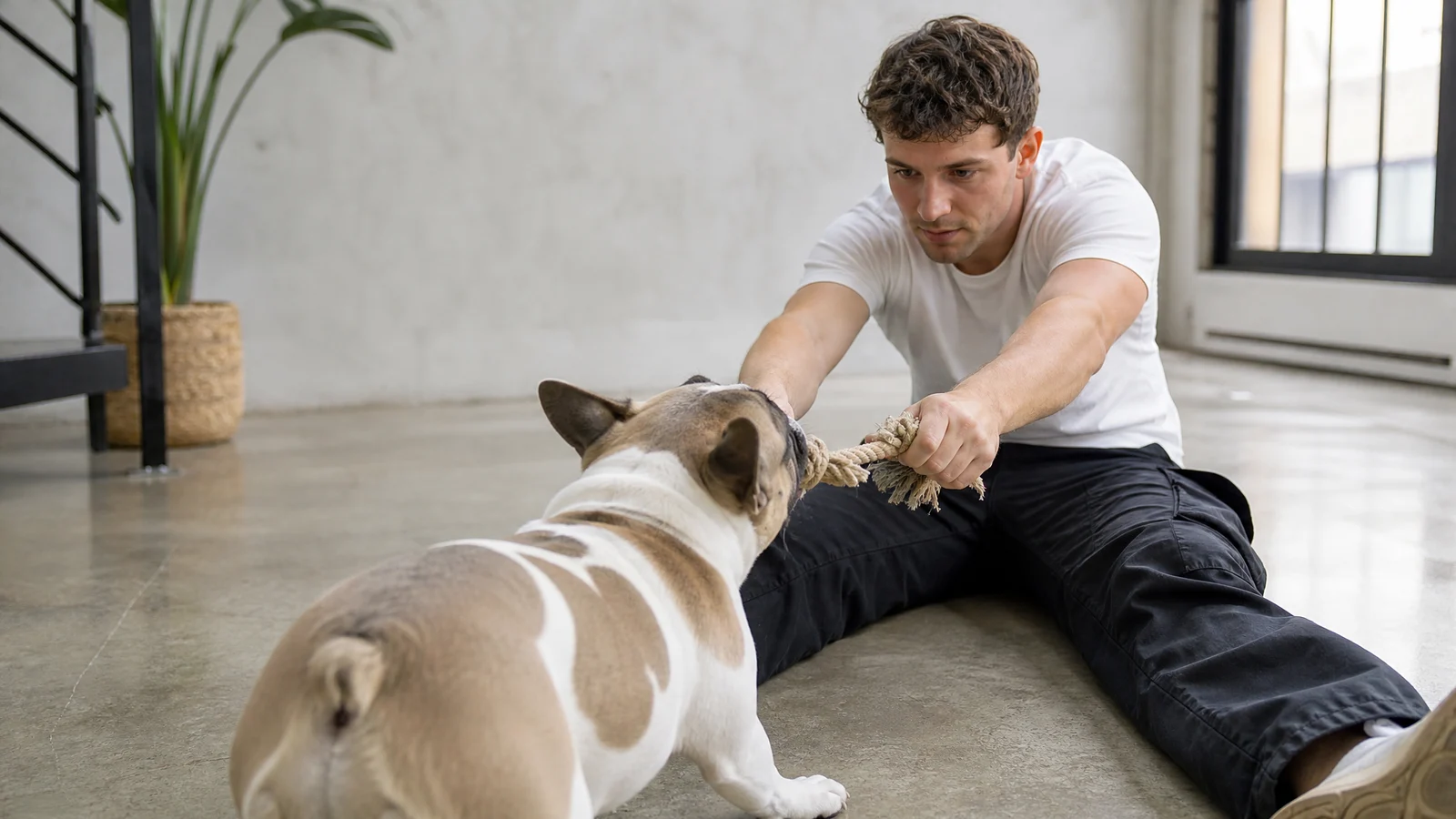
A French Bulldog whose practice quietly stops because the cues look finished loses the steady routine that adolescence puts under pressure. Between 6 and 12 months the dog's feelings and interests change, but the reward-based plan stays the same: pay the choices you like, make the setting easier when the dog struggles, and keep going.
The month-by-month view of the first two years sits in our French Bulldog puppy training timeline, and the stretch covered here is the one where an adolescent can look like a different dog in the same coat.
Reward-based practice holds up through all of it, even on days when a dog seems to have forgotten the basics. Coming up in this post are the causes behind the change, worries that return, grabby mouths, a few short answers on everyday choices and a routine that keeps practice going.
What Changes in an Adolescent French Bulldog
The dog in front of you is the same learner with new drivers. Hormones, maturing social instincts and a wider interest in the world all pull attention, and a cue that worked in the living room can look unfamiliar for a while. That is a reason to rebuild the setting around the dog, with easier places, better rewards and a calmer handler, rather than a reason to argue with the dog.
The PDSA adolescent dog guidance says male dogs will often start humping more, urine marking and roaming, and that both males and females can become more protective and territorial, such as guarding things or places around the home or reacting and barking at things that did not use to bother them. It adds that some forms of aggression between dogs only appear as they mature, and that a dog may become less social and enjoy other dogs less as they grow up.
A Teenage Frenchie Who Starts Worrying Again
When a teenager balks at something familiar, look at the dog before you look at the thing. A loose body, a curious sniff and an easy return to you say the dog is fine. A stiff stance, a stare or leaning away say the dog needs more room, and more room is the first fix.
Battersea says puppies can go through normal fear periods, and often again during adolescence from about 6 months old, and advises keeping socialization going during these times while staying mindful of the puppy's mood and taking things at their pace. Its socialization tips include keeping experiences short, calm and positive, and giving a puppy space to move away if they feel unsure.
Methods for introducing new dogs, people and places are in our guide to socializing your French Bulldog. While a worry lasts, favor familiar routes and quiet company over crowds and busy events.
Gradual Exposure for a Worried Adolescent French Bulldog
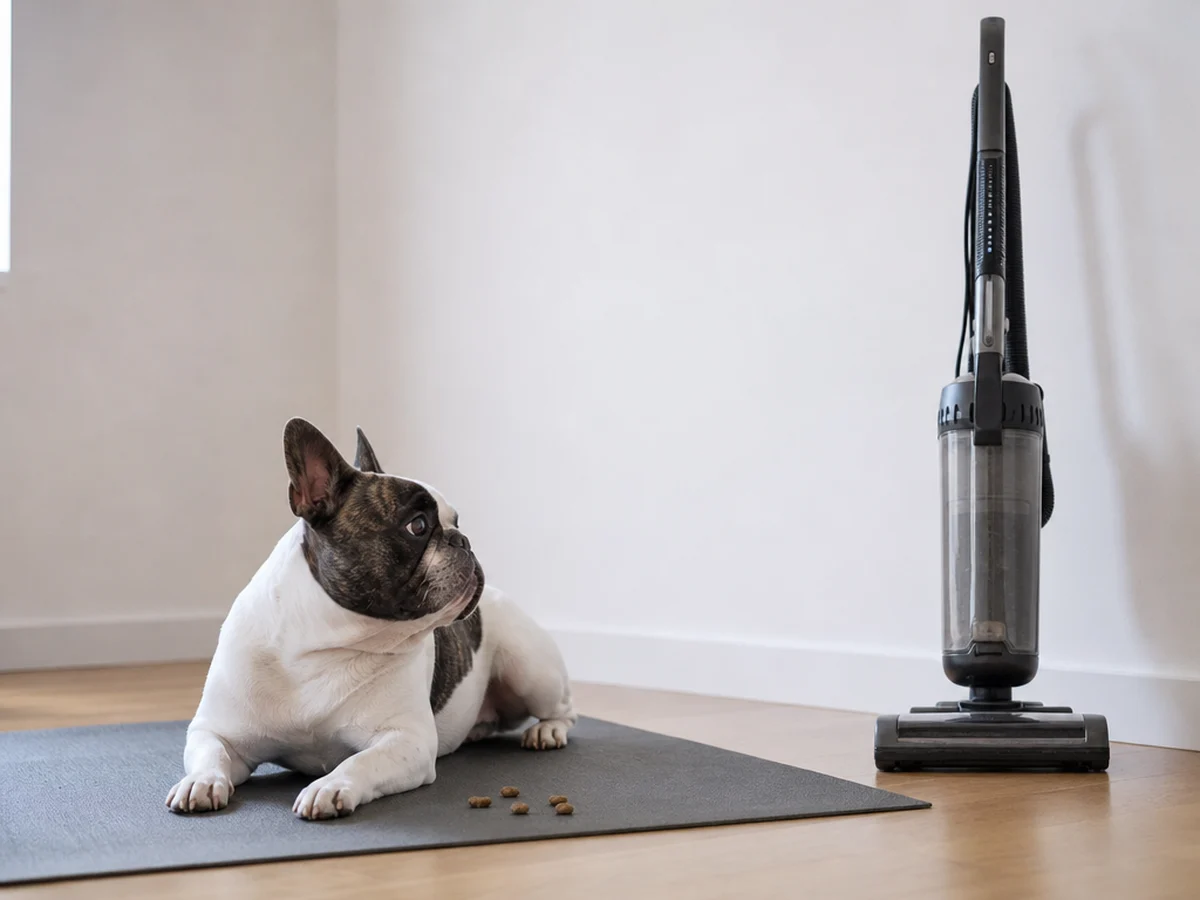
Work on one worry at a time. Choose the thing that bothers the dog most often, such as a certain kind of noise or a certain kind of passer-by, and leave every other new experience for later so the dog can tell what the treats are for.
VCA Animal Hospitals describes desensitization as gradual exposure that begins at a very low intensity, and suggests managing the distance from the trigger, beginning from far away and gradually getting closer. It pairs this with tasty treats, and says one sign you are moving too quickly is a pet no longer readily taking treats or settling on cue. It adds that a session should not continue if the pet shows signs of fear or arousal.
Pick the easiest version of the practice spot, with the same route, the same time of day and a helper who stays still. Leash skills for passing something that worries the dog are in our French Bulldog leash training guide. A change that is sudden, intense or paired with signs the dog may be unwell is a reason to call the vet before starting any plan, and regular vet visits stay on the calendar through these months.
Adolescent French Bulldog Mouthing at Hands
When a teenager grabs hands, sleeves or ankles in the middle of play, the job is to give the energy somewhere to go. Outlets for chewing are covered in our French Bulldog chewing guide, so this section stays with mouthing aimed at people.
Best Friends Animal Society says that with adolescent and adult dogs you do not need to react or say anything if they begin to mouth you. It suggests keeping a toy handy, giving it and really playing, and going neutral if the mouthing continues, then calmly rewarding once the dog stops. Some dogs will continue to mouth and potentially get more aroused, so you step away and wait for them to settle, and everyone who interacts with the dog should respond the same way.
Everyday Choices During Adolescence
The choice in front of you this month probably concerns the dog's company or the dog's routine. Find that question, read its answer, and leave the others until they come up.
Should I Force Playdates With Other Dogs?
No, do not force contact. The French Bulldog Club of America says there are individual differences in how well French Bulldogs get along with other animals. A dog who watches from a distance, sniffs a calm friend briefly and walks away is making a fair choice, and relaxed looks and easy body language are worth a treat. Skipping dog play for now is a legitimate outcome, and the rest of the walk can be about you.
Can a Dog Walker Follow the Plan?
Yes, if the walker knows it. Share the one worry you are working on, the distance the dog needs from it, and the cues and treats that help. Ask the walker to skip greetings with unfamiliar dogs and people, to stay reward-based, and to report anything that caused a reaction.
Is Daycare Still a Good Fit?
Judge it by the dog you have today, not last year's. Ask how staff group dogs, what they do for a dog who retreats, and where tired dogs rest. If the dog comes home more worried or more wound up than before, ask staff what happened that day.
Keeping Practice Going Through French Bulldog Adolescence
Keep every cue the dog already knows in circulation, even the ones that look finished. A cue used a few times a day in ordinary spots stays familiar enough to rely on when a new worry or a burst of excitement turns up, and the practice costs the dog almost nothing.
It helps to match each cue to a need teenagers have. These three pairings give a session a point:
- Name response, to turn the dog's attention away from a stare at something worrying and toward a treat.
- Settle on a mat, for the times when excitement runs high and the dog needs somewhere to land.
- Hand target, to move the dog past something odd without a tight leash or a lot of coaxing.
Short bursts inside normal routines, such as before a meal or while the kettle boils, suit a distractible teenager better than a long formal block. Full teaching steps stay in our French Bulldog training guide.
Time Together That Asks Nothing of a Frenchie
Not every minute with a teenager needs a job. Some of the day can go to a game the dog picks or a quiet sit side by side, with no cues, no test and no treats held out, which leaves room in the relationship for something other than lessons.
Adolescence is hard on both ends of the leash, and a dog who simply likes your company is easier to coach through it. Training gets its power from that goodwill, and goodwill is built in the minutes when nothing is being asked.
 Training basicsFrench Bulldog Temperament: What It Means for Training
 Puppy trainingFrench Bulldog Puppy at 3 to 4 Months: Teething and Mouthing
 Training basicsClicker Training a French Bulldog